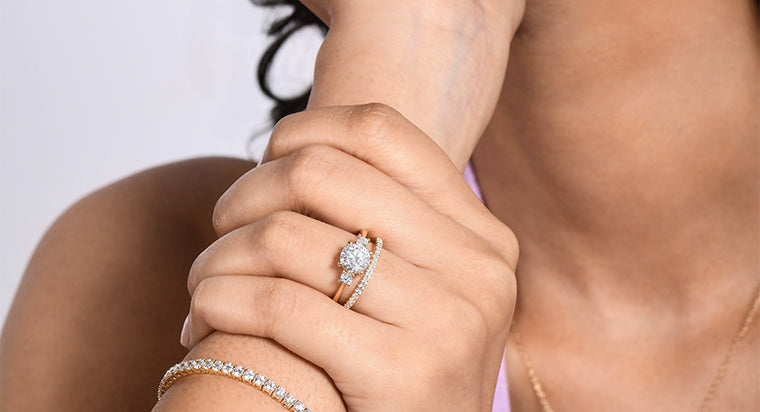
Lab Grown Diamond Wedding Band Buying Guide
December 28, 2025More couples pick lab made diamonds
Out of nowhere, prices began shifting as tastes evolved during the 2010s. Shoppers today skip old customs, focusing on clear pricing and usefulness. Because of that, synthetic stones started gaining ground. Not pulled from rock, these gems grow under careful conditions – yet they’re still true diamonds. Identical down to their makeup, strength, and shine when held up to light. What sets it apart? Where it comes from. Most folks weigh price against ownership. A bigger gem might fit the same wallet. This opens options when lab grown diamond wedding band or a lab-made wedding band. It boils down to honesty. Real sparkle, minus the markup from digging it up.
Lab Diamonds How Theyre Created
One way labs make diamonds is through a process that mimics natural conditions deep underground. Another relies on a beam of carbon atoms building up layer by layer in controlled settings.
- Under extreme pressure and heat, conditions shift dramatically. Such environments push materials beyond normal limits. These changes happen when temperature climbs high alongside intense pressure. HPHT describes settings where both factors rise together sharply
- CVD means Chemical Vapor Deposition
Deep below Earth’s surface, nature makes diamonds under intense heat and pressure. One method copies that process above ground with powerful machinery. Instead of waiting millions of years, it speeds things up in a lab setting. Another technique builds crystals slowly, adding thin sheets one at a time from vaporized carbon. These aren’t imitations made to trick the eye. No glass, no plastic, nothing coated or painted on top. Once grown, these stones go through cutting, then polishing, followed by grading – just like natural ones. Without expert tools, spotting a distinction is nearly impossible for most shoppers.
What You Actually Pay For
Most folks buying their first stone fixate on how big it looks. This usually ends badly. What really matters are four key things when picking a diamond.
- Cut
- Color
- Clarity
- Carat weight
Most important is the cut – it shapes how much a diamond shines. Light bounces back stronger when the angles are right, making it look alive. What you see as whiteness ties directly to its color score. Tiny features inside show up under magnification – that is what clarity checks. Size comes down to carat, yet larger stones don’t automatically win. Brightness often wins out when cut quality beats sheer weight. Take a 1.2 carat diamond – cut well – it might shine harder than one at 1.5 that’s poorly made. Price checks? Always request proof from labs such as GIA or IGI before deciding.
Wedding Bands Require Different Approach
Most days, a diamond ring takes knocks from keys, sinks, and chores. Unlike an occasional accessory, it must survive mornings at the desk or evenings in the kitchen. Soap, water, even typing – each wears on metal and stone over time. Choose something that moves like you do. For active hands, flat settings dodge harm better than high ones. Shape matters less when life keeps moving. Little diamonds set along the sides might help prevent catching on things. What feels good when worn often gets overlooked. Take a moment to consider these points before making your choice
- Your daily activities
- Ring maintenance
- Metal durability
- Long term resizing options
Picking platinum means strength, yet it feels more solid on the hand. Choosing white gold saves money, though eventually it could require fresh plating. With yellow gold, daily marks are simply harder to spot. Rings built for real life tend to look better after years go by.
How Pricing Actually Works
A shopper might pick lab grown stones because they’re easier on the wallet. These gems usually ask for far less cash than natural ones that look just like them. Saving there could mean room to spend more on how it’s held or picking a sharper stone. Still, paying less doesn’t automatically give more worth. Low grades might catch your eye because of smaller price tags. Yet reports differ wildly lab made diamonds. Spotting weak paperwork takes patience, though careful checks reveal mismatched quality fast
- Heavy stone, yet barely clear enough to see through. A big number on paper means little when the glass stays clouded
- No certification
- Unclear return policies
- Artificially inflated discounts
Most of the time, photos online miss small flaws you’d spot right away in person. That’s when a solid return rule becomes useful.
Buyer Regrets
Most folks move too fast when shopping since looks grab their attention first. Picking a big stone without thinking about fit comes back to haunt plenty later. Huge sparkle on screen might turn into awkward pressure on fingers daily. Bands that go narrow? They start warping – especially if something heavy hangs on them. Skipping upkeep causes its own trouble down the road. Tiny claws slip loose before you notice. Metal marks easier than expected. Grime settles deep where cleaning rarely reaches. Every now and then, even well-made items require a checkup or wipe down. Before handing over money, pause and picture how things might go years later. Turn the question around in your head like that
- Is it comfy enough to wear daily?
- Does the design keep the gem safe?
- Can the ring be resized later?
- Five years on, does it still match what you like?
Questions like these weigh heavier than passing fads.
Online Versus In Store Shopping
Shopping on the internet means seeing more items plus spotting deals faster. Walking into a shop lets you hold the ring, feel its weight, study how it catches light. Each way functions well when you stay sharp and notice small things. Before clicking buy from a website look at:
- High resolution images
- 360 degree video views
- Independent certification
- Return window length
- Customer service response speed
Look closely at the setting when buying in store. Under bright light, tiny imperfections show up more clearly. Take your time, even if the seller seems eager. What makes a ring worth it is how well it fits your life, not how fast you were talked into purchasing.
Match Style With Daily Use
Even quiet looks get noticed now and then, simply because they ask for less attention yet fit just about anywhere. A delicate row of tiny stones whispers luxury, though it might need extra care over time. On its own, a single stone stays simple to wipe down after everyday moments. When set between metal walls, little gems stay safe while life keeps moving. Worn every day a lab diamond band ought to feel like part of your routine not something that demands change. With watches on your wrist or a tracker snug at your arm test how the ring sits alongside them. Pile pieces close and comfort shifts in ways you might not expect. Small decisions about shape or width tend to matter more over time than flash or size.
Understanding Resale Expectations
Most people think diamonds can grow in worth over time. Yet that idea often ends in letdown. Nearly every diamond, from earth or lab, drops in price once bought. The original cost covers making, name recognition, and added store fees. Choose the piece simply because you want to use it daily, never for hoped returns. Seeing it this way tends to bring clearer choices plus spending that feels more grounded.
Clean And Protect Your Ring
Most days, a quick wipe keeps your diamond shining. Try soaking the ring in warm water with just a drop of gentle soap. A soft-bristled brush works well – go slow around the setting. Skip bleach, chlorine, or anything gritty. When putting it away, give each piece its own spot. Tiny scratches add up if they rub together. Once in a while, let a pro take a close look. Little issues show up before they grow. A wobble today means less trouble tomorrow if caught fast. Staying on top of upkeep keeps looks sharp while holding everything together.
Common Questions
Are lab diamonds real diamonds?
True. Their makeup matches natural diamonds exactly, down to every detail. Created deep underground or in a lab, it’s the origin that sets them apart.
Do lab diamonds last as long as mined diamonds?
True enough. Each holds up just as well when it comes to toughness. Given regular maintenance, either one might go years without failing.
Is a lab grown diamond wedding band good for everyday wear?
True enough. When the band fits right and holds the stone tight it handles everyday wear just fine – so long as it lines up with how you move through your day.