Why Man Made Diamonds Are Changing the Way We Think About Blood Diamonds
September 7, 2025Have you ever stopped to wonder where your diamond comes from? I mean, really thought about it? Let’s be honest… most of us don’t. We just see the sparkle, the shine, and maybe a price tag that makes our hearts skip a beat. But behind that beauty, there’s a story. Sometimes, it’s a dark one. Enter the controversial world of blood diamonds—gems that have funded conflict, suffering, and exploitation in parts of Africa. Harsh, right?
Luckily, the jewellery world is evolving. These days, there’s a shiny alternative: man made diamonds. Yup, diamonds created in a lab that have the same sparkle, clarity, and durability as natural ones—but without the ethical baggage. And honestly, they’re not just a guilt-free choice—they’re kind of cool.
Section 1: Blood Diamonds – What’s the Deal?
So, what exactly is a blood diamond? Picture this: a diamond mined in a war zone, sold to fund armed conflict, and leaving devastation in its wake. Not exactly the romantic story most engagement rings are meant to tell.
Now, here’s a thought. Every time you buy jewellery, you’re supporting a chain of events somewhere. That’s why people are starting to ask questions. Questions like:
- Who mined this?
- Under what conditions?
- Could I choose something better?
Honestly, it makes you rethink those sparkling ads that make diamonds look like happiness bottled up in a gem. And to be fair, not all diamonds have dark stories. But the term blood diamond exists for a reason—it’s a real problem in the world of gemstones.
Section 2: Enter Man Made Diamonds
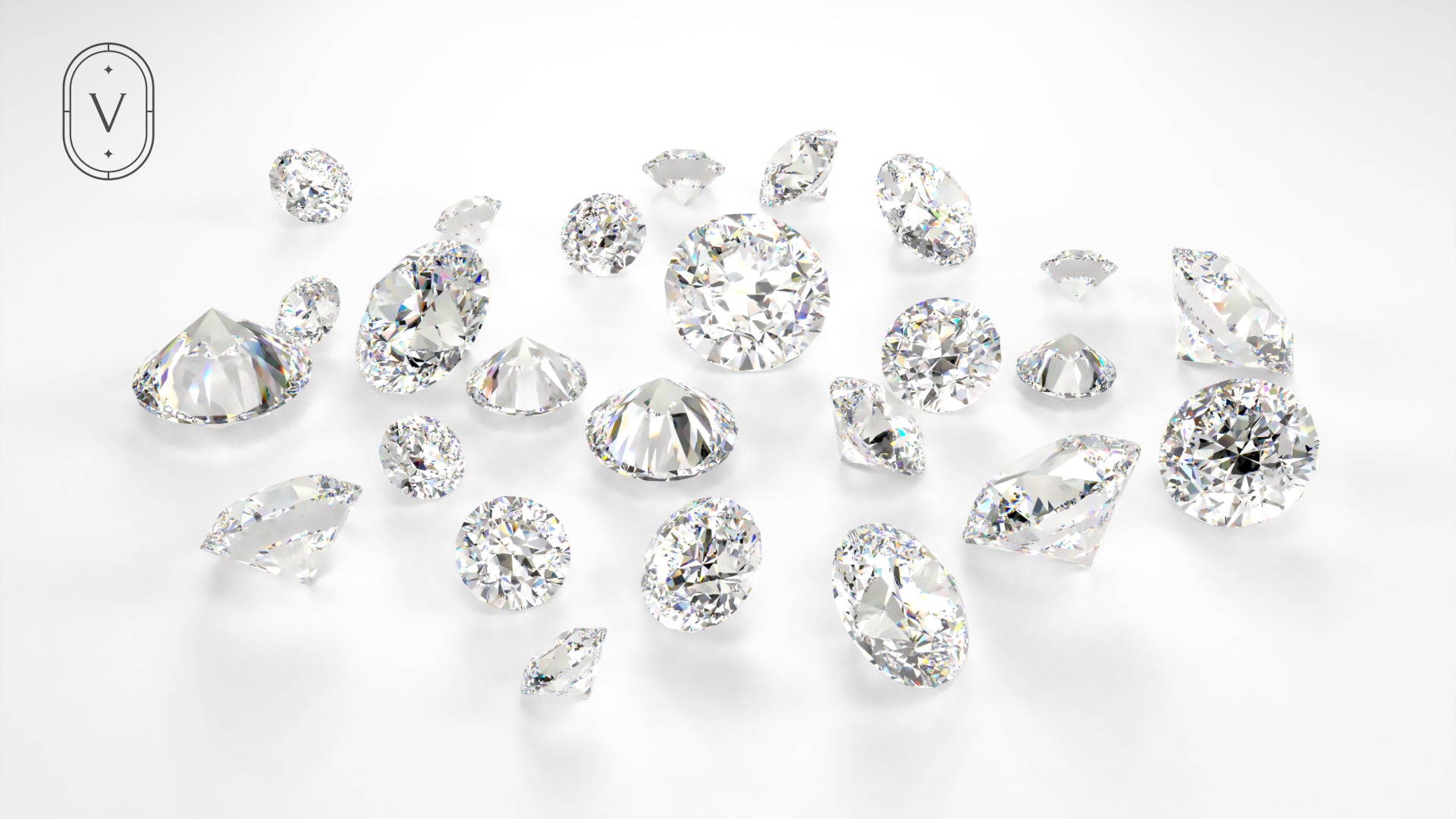
Here’s where things get exciting. Man made diamonds are changing the game. They’re created in a lab, using high-tech processes that mimic nature. Essentially, scientists grow a diamond from carbon, just like nature does—except faster and without the human cost.
Why should you care? Let me give you a few reasons:
- Ethical Choice: No conflict, no exploitation. Just pure sparkle.
- Affordable Luxury: You get a diamond that looks and feels the same, but often for a fraction of the price.
- Eco-Friendly: Mining isn’t exactly kind to the environment. Lab diamonds leave a smaller footprint.
- Customization: Because they’re lab-created, it’s easier to find rare shapes, colors, and sizes.
Let’s face it—being able to tell your friends, “I bought a diamond that didn’t fund a war” has its own charm.
Section 3: Why This Matters Locally
You might be surprised to know that even here, in our local jewellery markets, man made diamonds are gaining traction. Stores are starting to display lab diamonds alongside natural ones, sometimes even side by side. And honestly? Many customers can’t tell the difference.
It’s interesting to watch how consumer habits are shifting. People aren’t just buying jewellery for the bling—they want meaning. A diamond, after all, isn’t just a shiny rock. It’s a statement. And choosing lab-grown means your statement isn’t tinged with guilt over a blood diamond.
Think about it like this: would you rather invest in a gem that has a story of exploitation, or one that’s a triumph of human ingenuity? Most of us would pick the latter.
Section 4: How Man Made Diamonds Are Made
Curious about the process? Let’s break it down without getting too technical. There are two main ways to make diamonds in a lab:
- High Pressure High Temperature (HPHT): Carbon is exposed to extreme pressure and heat, essentially mimicking the Earth’s natural diamond-making process.
- Chemical Vapor Deposition (CVD): Carbon gases form layers that slowly build up a diamond crystal over time.
It sounds like sci-fi, right? But this is real science. And the best part—these diamonds are indistinguishable from natural ones to the naked eye.
Here’s a casual tip: always ask the jeweller. Most reputable sellers will give you certification proving your diamond is lab-grown. It’s like getting a behind-the-scenes pass to your diamond’s life story. And honestly, that story beats a secret you’ll feel guilty about later.
Section 5: Trends and Tips
If you’re considering a diamond—engagement ring, earrings, whatever—here’s some friendly advice:
- Mix it up: Lab diamonds can be combined with recycled metals for a fully ethical piece.
- Don’t be shy: Ask questions about origin. Jewellers are used to it these days.
- Think long-term: Lab diamonds retain value, and some experts say they might even become the “new standard” in ethical jewellery.
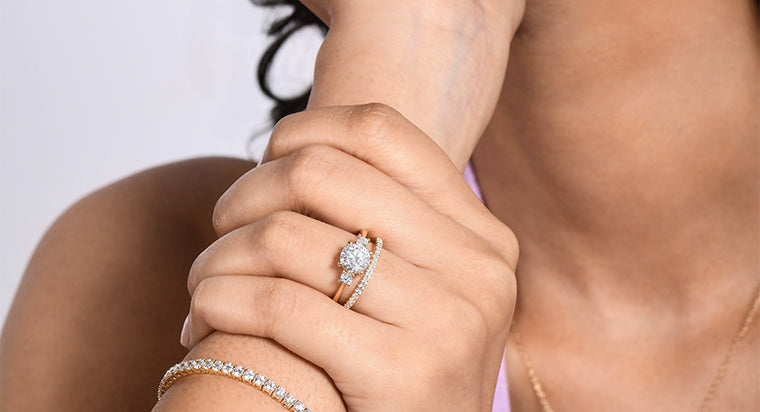
- Get creative: Because they’re lab-grown, you can request unique shapes, fancy colors, or bigger stones without going bankrupt.
Basically, you don’t have to sacrifice style for conscience.
Conclusion
At the end of the day, diamonds are more than just bling. They’re symbols. And with man made diamonds, you can keep that symbolism without the dark shadow of a blood diamond. It’s about making choices that feel good, look good, and, let’s be honest, give you a story worth telling.
So next time you’re browsing jewellery, remember: sparkle doesn’t have to come with guilt. Lab diamonds are here, shiny, ethical, and honestly… kind of awesome.