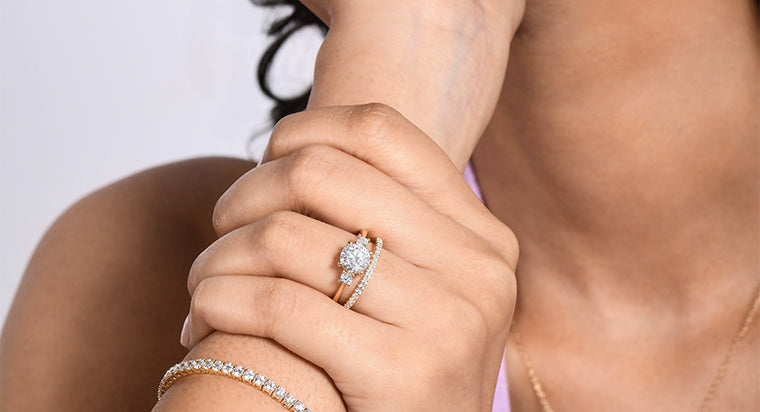
White Gold Diamond Rings: Styles, Quality & Buying Tips
May 27, 2026Choosing a fine diamond ring involves more than finding a beautiful stone. The metal, setting, proportions, and daily wear needs all affect how the finished piece looks and feels. White gold diamond rings remain a popular choice because they combine a bright, modern appearance with practical durability.
White gold also works well with many diamond shapes and setting styles. Understanding its properties can help you compare options with confidence and avoid paying for features that do not match your needs.
Why White Gold Works So Well With Diamonds
White gold is created by mixing pure gold with other metals to produce a lighter color and greater strength. Pure 24-karat gold is too soft for many forms of everyday jewelry, so jewelers use alloys to improve durability.
Most white gold jewelry also receives a rhodium finish. Rhodium gives the surface a bright white appearance and adds a layer of protection. This finish helps white gold pair naturally with colorless or near-colorless diamonds.
Unlike yellow gold, white gold creates less visible color contrast around a diamond. That can make the center stone appear crisp and bright, especially in prong settings where more of the diamond remains visible.
Understanding 14K and 18K White Gold
One of the first decisions involves gold purity. Both 14K and 18K options have advantages, but they suit different priorities.
14K White Gold
Fourteen-karat gold contains about 58.3% pure gold. The remaining portion consists of alloy metals that increase strength.
Because it contains a higher percentage of alloy metals, 14K white gold generally handles scratches and everyday wear well. It can be a practical choice for engagement rings or wedding jewelry worn every day.
It also tends to cost less than 18K gold. Buyers can often use the price difference to increase their diamond budget or select a more detailed setting.
18K White Gold
Eighteen-karat gold contains 75% pure gold. Its higher gold content gives it greater material value and a slightly different feel.
It remains durable enough for fine jewelry, although it can be somewhat softer than 14K white gold. Buyers who value higher gold purity may prefer this option.
The difference in appearance between quality 14K and 18K white gold can be subtle after rhodium plating. For many shoppers, lifestyle and budget matter more than visible color differences.
Popular Styles of White Gold Diamond Rings
The setting has a major effect on the personality of a ring. It also influences maintenance, comfort, and how large the center diamond appears.
Solitaire Settings
A solitaire places one diamond at the center of the design. Its simple structure keeps attention on the stone and works with round, oval, pear, emerald, and other diamond cuts.
Four-prong settings expose more of the diamond, while six-prong settings provide additional security. The best choice depends on the stone’s shape and the wearer’s preferences.
Halo Designs
A halo surrounds the center stone with smaller diamonds. This arrangement adds sparkle and can make the center appear larger from a distance.
Some rings use a single halo, while others use hidden halos beneath the main diamond. Hidden halos add detail without changing the traditional face-up appearance as much.
Pavé Bands
Pavé settings place small diamonds closely along the band. They create continuous sparkle while keeping the center stone as the main feature.
Because pavé diamonds use small beads or prongs for security, these rings may need occasional professional checks. People with highly active lifestyles should consider how delicate details fit their daily routine.
Three-Stone Rings
Three-stone designs feature a center diamond with one stone on each side. Side stones may match the center shape or create contrast.
This style provides strong finger coverage and allows more design flexibility than a basic solitaire. It can also balance elongated diamond shapes beautifully.
Choosing the Right Diamond
Selecting white gold diamond rings requires looking beyond carat weight. The traditional four Cs, cut, color, clarity, and carat, each affect appearance and price.
Cut often has the greatest visible effect on brilliance. A well-cut diamond reflects light efficiently, while a poorly proportioned stone may appear dull even with high color and clarity grades.
Color also deserves attention because white metal does not mask warm tones as much as yellow gold can. Buyers seeking a bright appearance often choose diamonds within the colorless or near-colorless range.
Clarity describes visible and internal characteristics within a diamond. You do not always need the highest clarity grade. An eye-clean diamond can provide excellent visual results without paying for microscopic differences.
Carat measures weight rather than physical dimensions. Two diamonds of the same carat weight can look different in size because cut proportions and shape affect their face-up measurements.
Buyers can also consider lab grown diamonds if they want another source option. They have the same basic crystal structure and physical properties as mined diamonds, but their production process and market pricing differ.
Match the Diamond Shape to Your Style
Diamond shape affects far more than appearance. It can influence sparkle, perceived size, setting choices, and the amount of protection the stone needs.
Round brilliant diamonds are known for strong light performance and fit almost every setting style. Oval diamonds offer an elongated appearance and often provide greater visual spread for their weight.
Emerald-cut diamonds create a cleaner, more geometric look. Their broad facets make clarity characteristics easier to notice, so buyers may prioritize clarity more with this shape.
Pear and marquise diamonds also create an elongated effect. Their pointed ends should receive proper protection from prongs or other setting elements.
Princess diamonds offer sharp lines and strong brilliance. Since their corners can be vulnerable, a secure setting should protect all four points.
How Band Width Changes the Ring’s Appearance
Band width can dramatically change the proportions of white gold diamond rings. A narrow band may make the center diamond appear larger, while a wider band creates a stronger visual presence.
Thin bands can look delicate, but extremely narrow designs may be less suitable for demanding daily wear. The setting should have enough metal to support the diamond securely.
Finger size also matters. A band that looks balanced on one hand may appear very different on another. Trying several widths can make the decision much easier.
Comfort and Everyday Wear
A beautiful ring should also feel comfortable during normal activities. High-profile settings raise the diamond above the finger and often allow more light to enter the stone.
However, taller settings can catch on clothing or gloves. Lower settings may suit people who frequently work with their hands.
The inside shape of the band also affects comfort. Some rings use a rounded interior, often called a comfort fit, which can feel smoother against the finger.
Consider how the ring interacts with a future wedding band as well. Some engagement ring settings allow another band to sit flush, while others create a visible gap.
White Gold Maintenance and Rhodium Plating
White gold requires some maintenance to preserve its bright finish. Over time, normal wear can gradually reduce the rhodium coating and reveal the slightly warmer tone of the alloy beneath it.
How often replating becomes necessary depends on wear, body chemistry, and personal preference. Some owners refresh the finish periodically, while others are comfortable with the natural color that develops.
Regular cleaning also helps diamonds maintain their brilliance. Oils, soap, lotion, and debris can collect around the stone and reduce sparkle.
Use a gentle jewelry-safe cleaning method recommended by the jeweler. Professional inspections can also identify loose prongs before they become serious problems.
Check Certification Before Buying
For valuable center diamonds, an independent grading report gives buyers useful information about the stone. Reports typically document carat weight, measurements, color, clarity, and other characteristics.
The report should come from a respected gemological laboratory. It allows buyers to compare diamonds using standardized information rather than relying only on a seller’s description.
Remember that a grading report does not tell you whether you personally find a diamond attractive. Examine the stone’s appearance, proportions, and light performance alongside its documented grades.
Setting a Realistic Budget
A good budget should cover the entire ring rather than only the diamond. Metal purity, setting complexity, side stones, brand, and center stone quality can all affect the final price.
Decide which features matter most before comparing options. Someone who values visible size may accept a slightly lower clarity grade. Another buyer may prefer a smaller diamond with stronger cut quality.
Avoid treating one diamond grade as a mandatory target. The best value usually comes from balancing characteristics that are visible with those that mainly affect the grading report.
Making a Confident Final Choice
The best white gold diamond rings balance appearance, durability, comfort, and cost. Start with the wearer’s lifestyle, then choose a gold purity, setting, diamond shape, and quality range that fit those needs.
Compare several stones in person or through detailed images whenever possible. Whether you select a mined stone or lab grown diamonds, focus on cut quality, secure craftsmanship, clear grading information, and a design that suits regular wear.
A well-chosen ring should not depend on trends alone. Careful attention to materials, proportions, construction, and maintenance will help you select a piece that remains practical and appealing for years.